Unexpected Debate
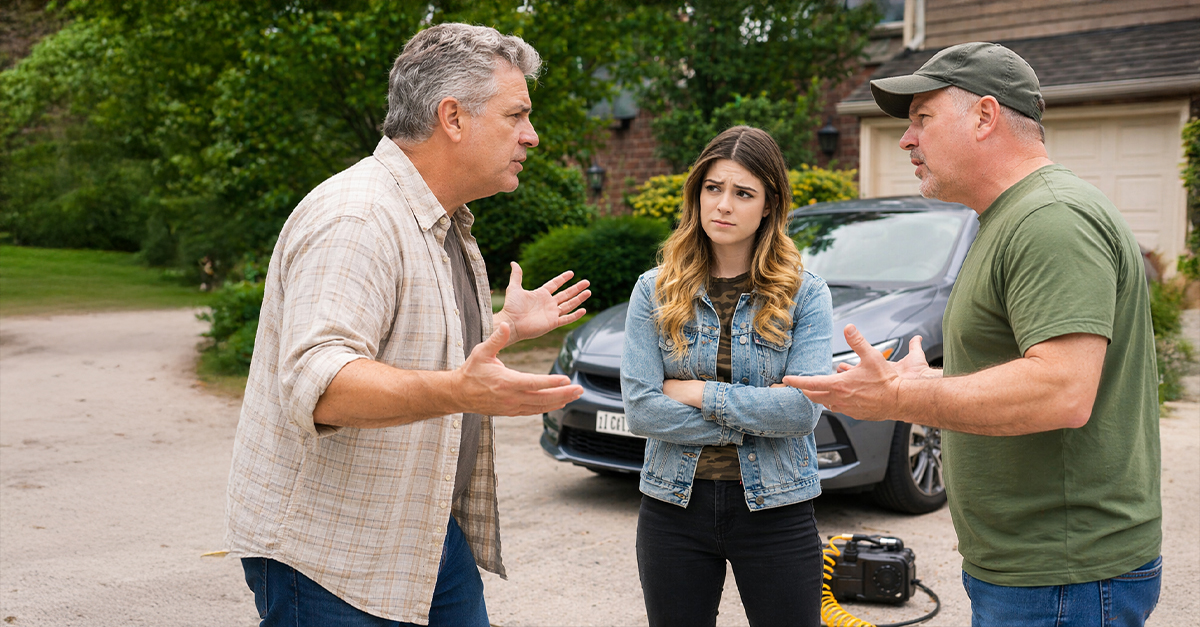
You’ve found yourself stuck between two confident opinions. Your uncle insists that keeping your tires slightly under-inflated improves their grip, especially in tricky conditions. Your dad argues that doing that will produce uneven wear and wear out the tread faster, costing you more in the long run. Both seem convincing, but only one approach makes sense for everyday driving.
 AntonioDiaz, AdobeStock; Factinate
Why Tire Pressure Is Important
Tire pressure affects nearly every aspect of your driving experience. It affects how your car handles, how quickly your tires wear out, and even how much gas you burn. When the pressure is off, your vehicle no longer performs as it was designed to, which can quietly lead to higher costs and reduced safety over time.
What Your Uncle Gets Right About Grip
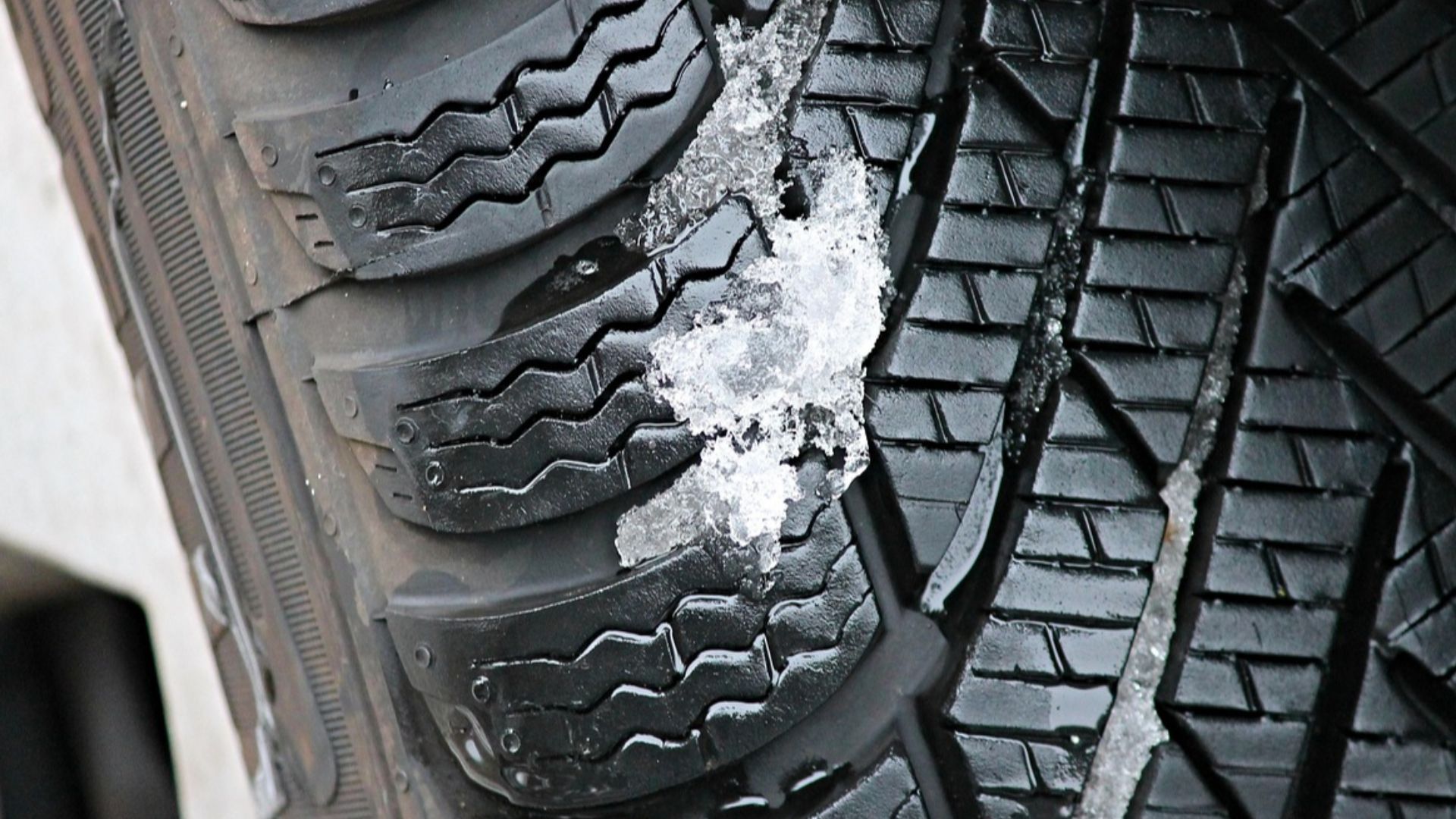
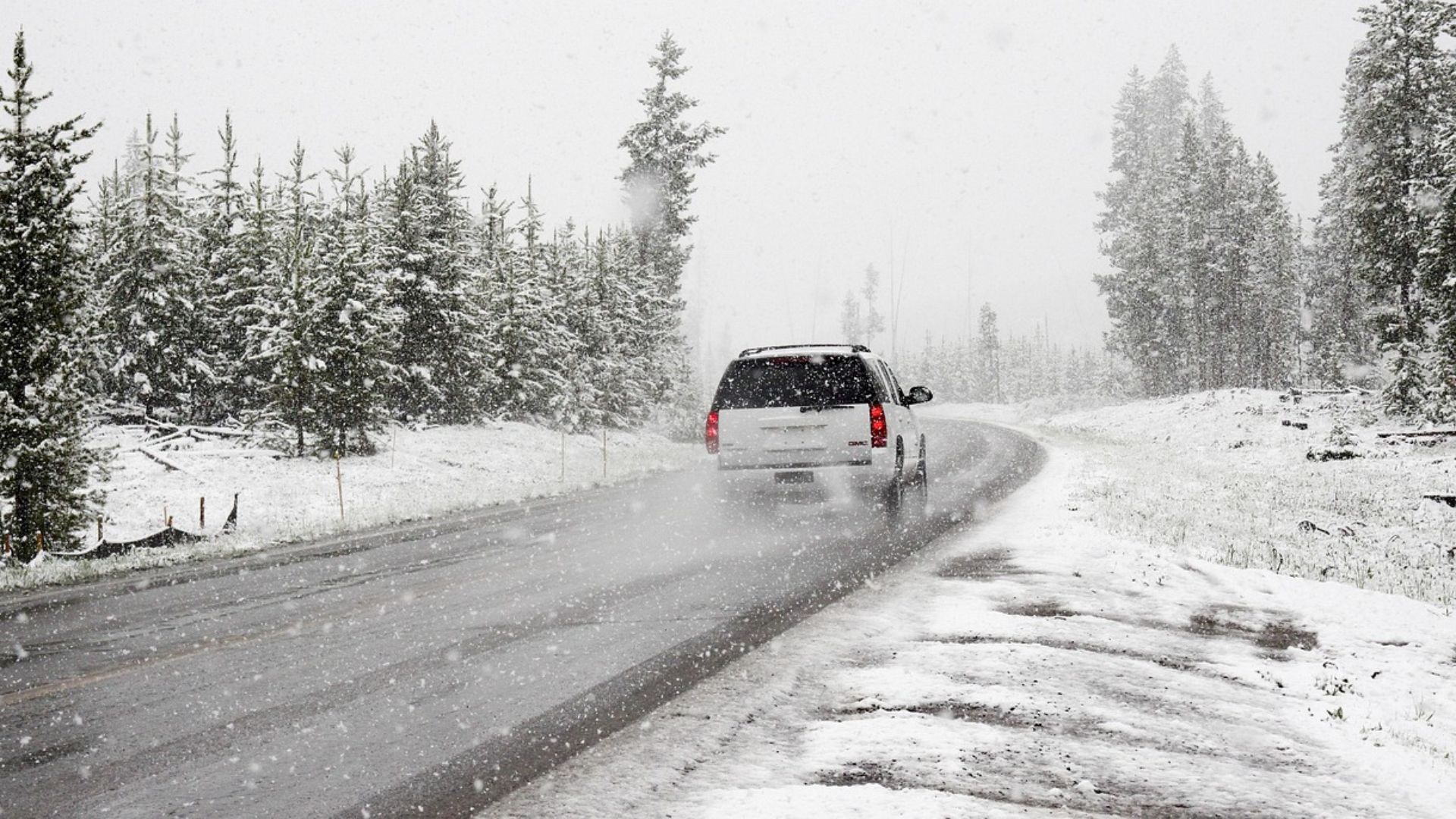
Your uncle is not completely wrong. Slightly lower tire pressure can increase the contact patch between the tire and the road. This can give better traction in certain conditions, like loose gravel or deep snow, where a wider footprint helps you maintain control and stability.
Situations Where Lower Pressure Helps
In off road driving or very slippery environments, reducing tire pressure can be beneficial. It allows the tire to conform more closely to uneven terrain, improving grip. That’s why off-road enthusiasts sometimes air down their tires before taking on sand dunes or rocky trails.

Comfort Advantage On Rough Roads
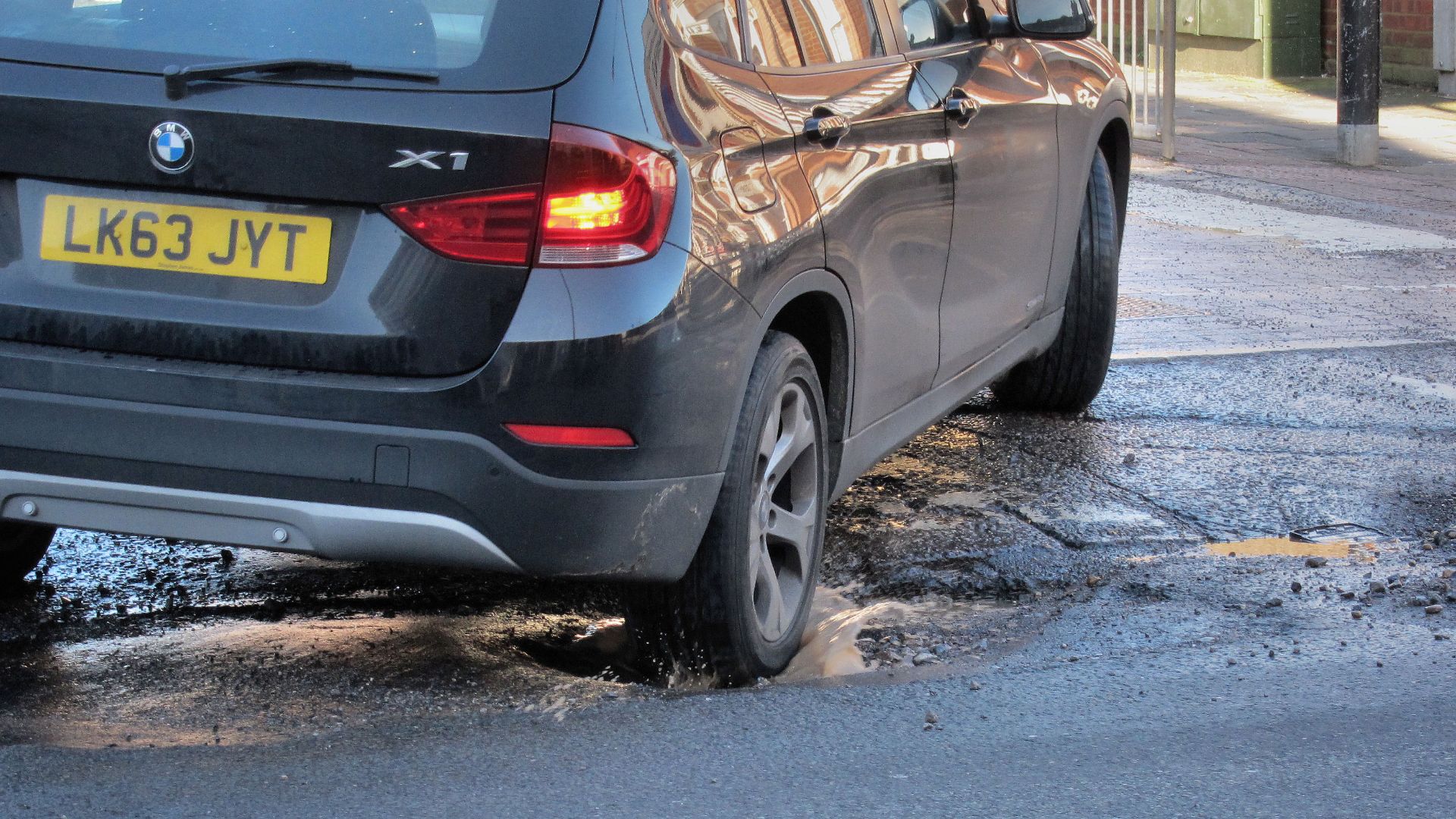
There is one subtle benefit to slightly low pressure you may notice in everyday driving. Slightly under inflated tires can absorb bumps and potholes a bit more softly, which can make your ride feel smoother. That extra cushioning can cut down on how harsh impacts feel, though that benefit is minor and comes with significant tradeoffs in the long run.
 Alan Stanton, Wikimedia Commons
Why This Logic Doesn’t Translate To Daily Driving
The conditions your uncle has in mind are very specific. On normal paved roads, your tires are engineered to perform best at the recommended pressure. Lowering the pressure slightly doesn’t provide meaningful grip improvements in typical driving situations and can actually reduce stability through turns and braking.
What Your Dad Gets Right About Wear
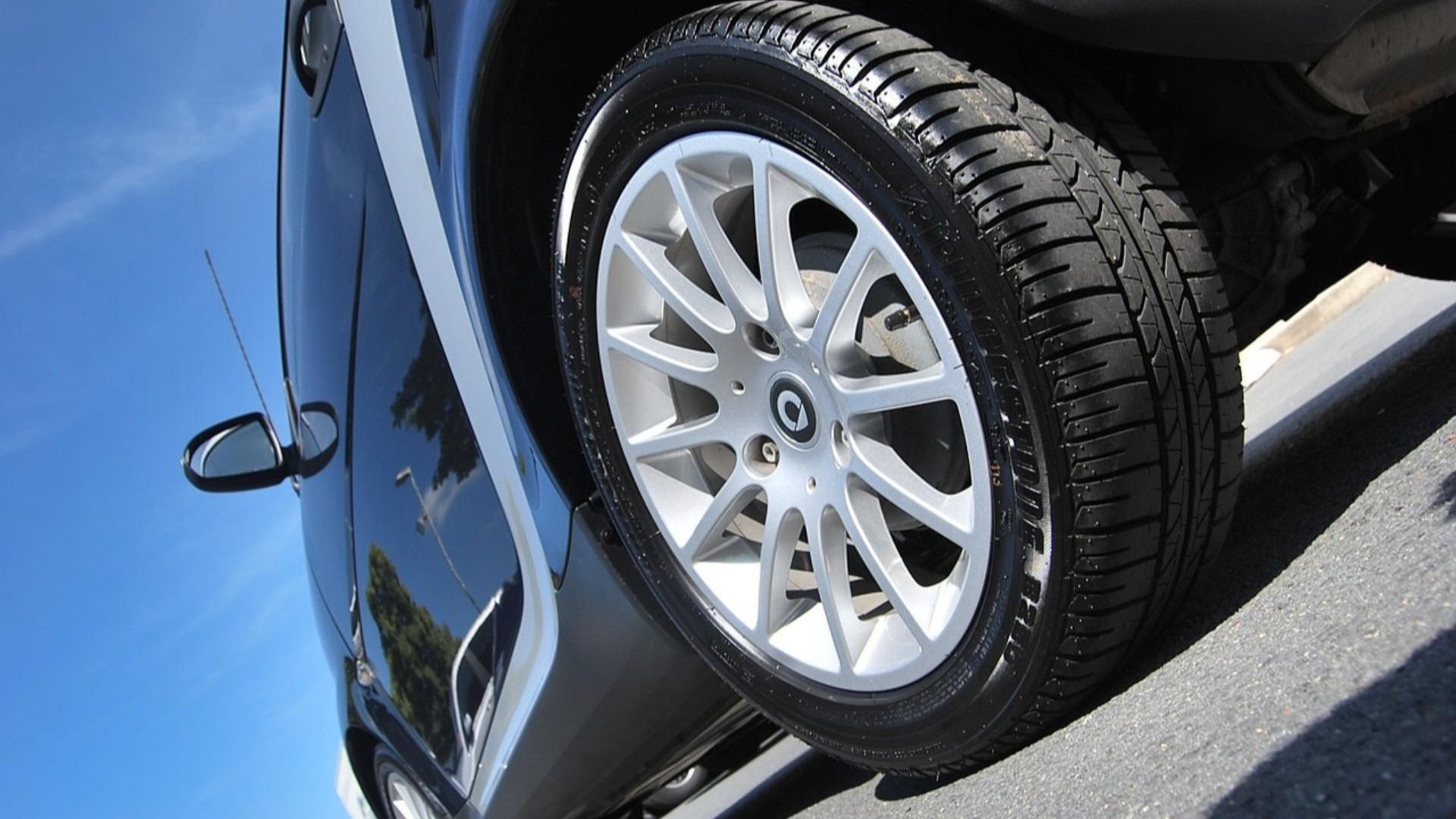
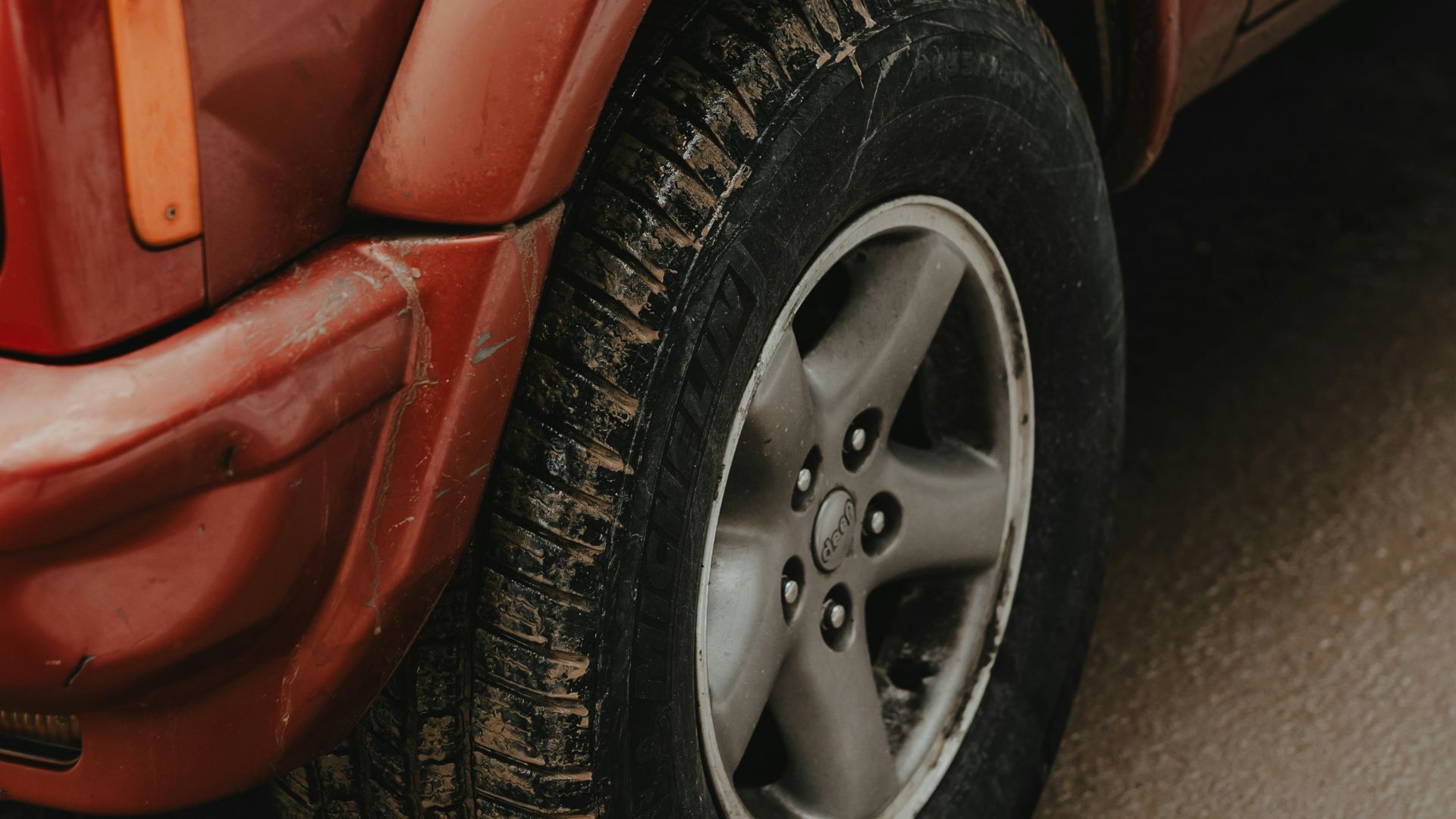
Your dad’s warning about tire wear is grounded in reality. Under-inflated tires flex more as they roll, which increases heat and causes the outer edges of the tread to wear down faster. Over time, this uneven wear reduces the lifespan of your tires by a lot.
Hidden Cost Of Uneven Tread Wear
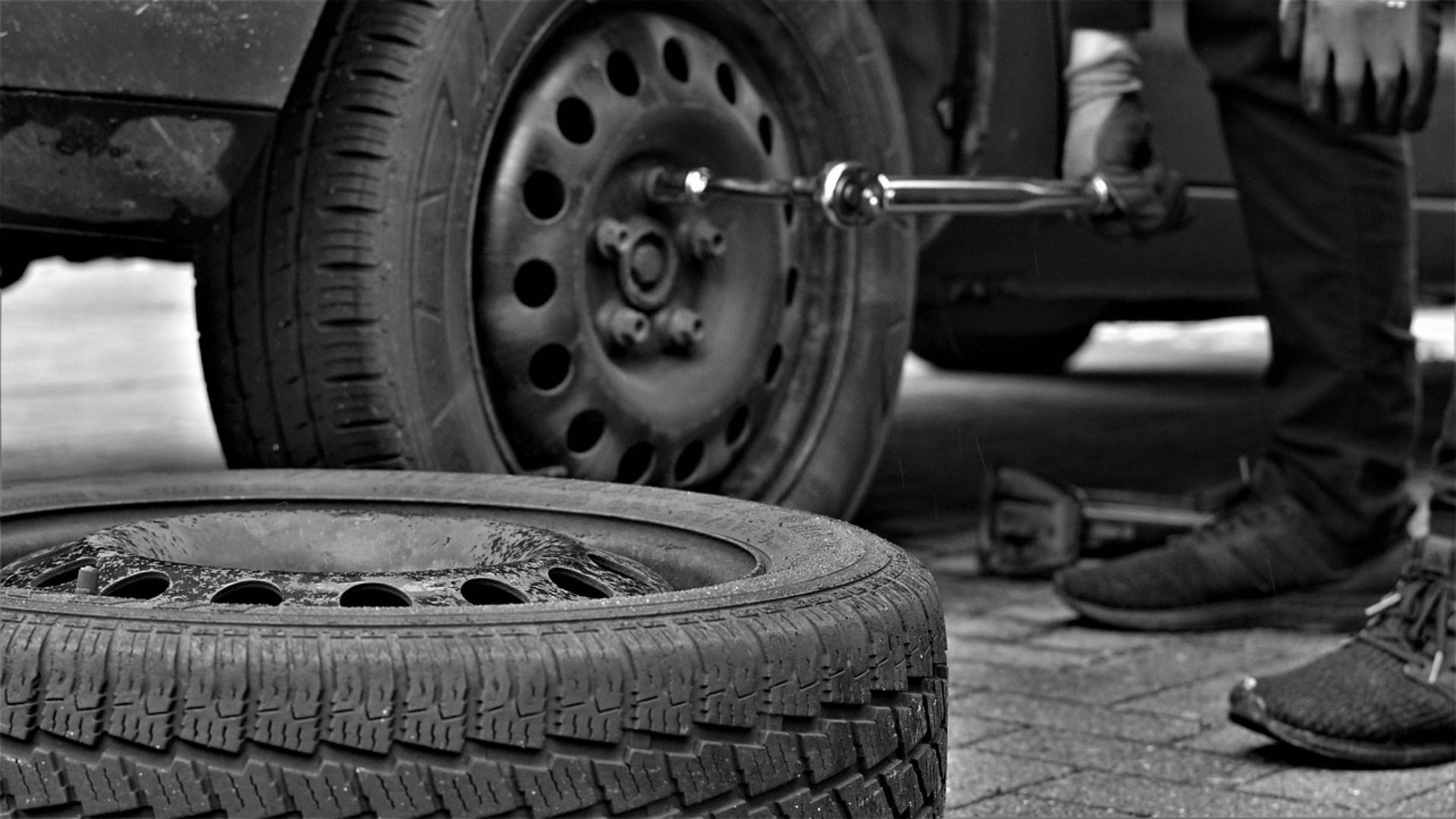
When your tires wear unevenly, you may need to replace them earlier than expected. This can turn a small adjustment in pressure into an expensive mistake. You also risk lousy performance in wet conditions, since worn edges can affect how water gets channeled away from the tire.
Handling And Safety Concerns
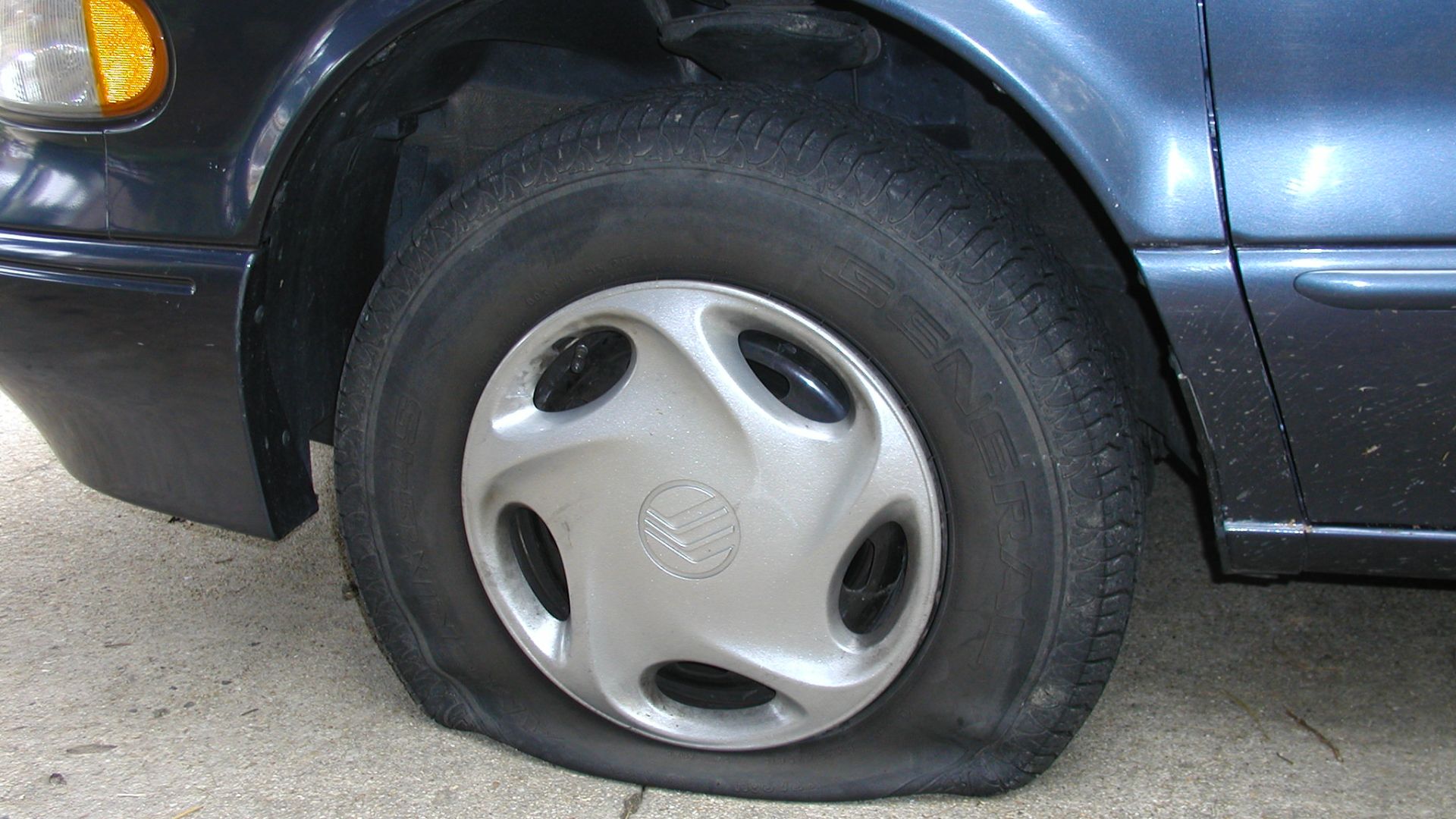
Under-inflated tires can make your steering feel sluggish and less responsive. In emergency situations, this can increase stopping distances and affect your ability to avoid hazards. The softer sidewalls also make the tire more prone to being damaged by potholes or debris.

Increased Risk Of Tire Failure
Driving on under-inflated tires generates excess heat, which is one of the main causes of tire failure. Over time, this heat can weaken the internal structure of the tire, creating the higher risk of a blowout. This risk gets even more serious when you attain highway speeds.
Fuel Economy Factor
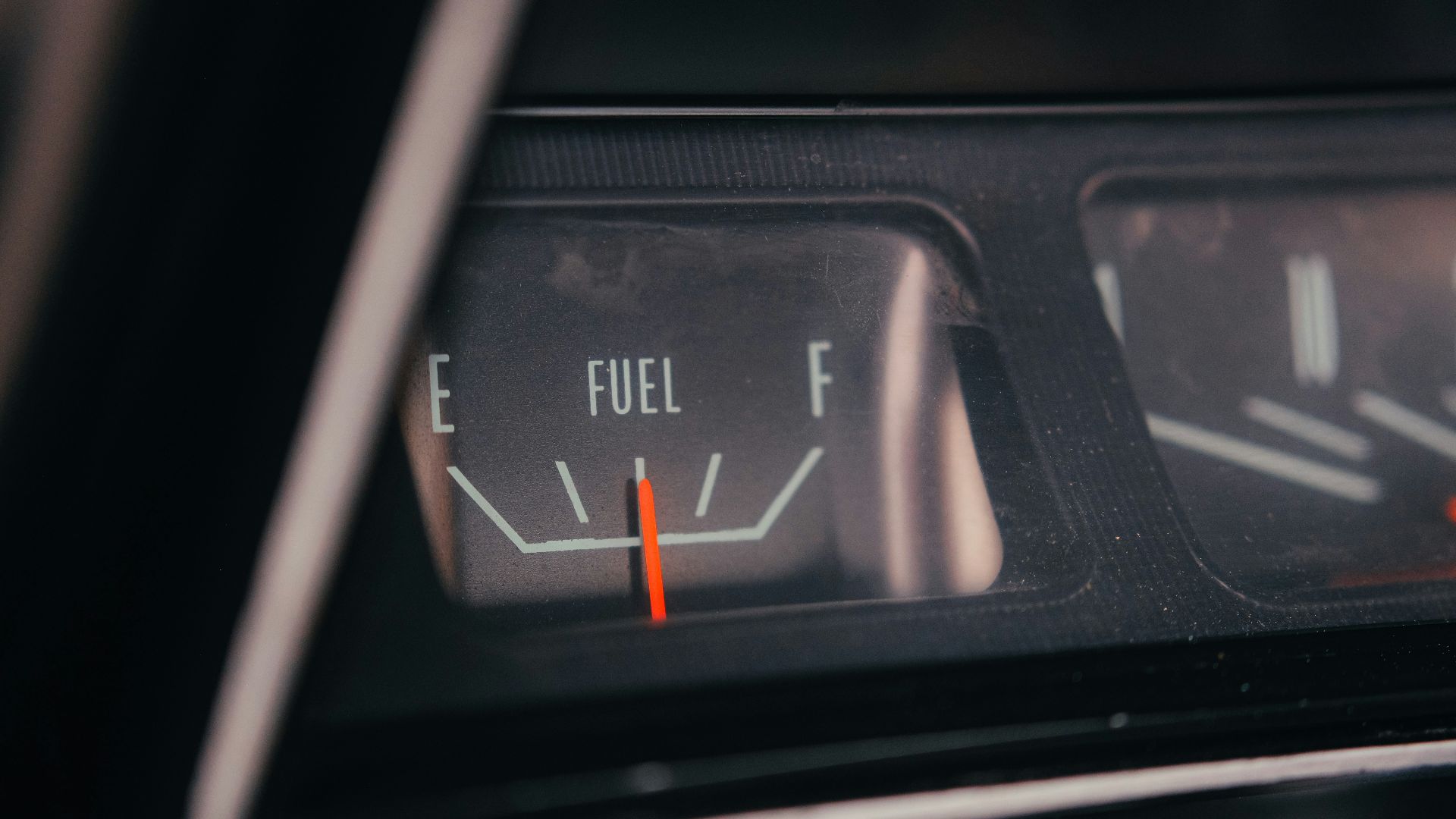
One of the biggest downsides of under-inflation is your reduced fuel efficiency. When tires aren’t properly inflated, they cause more rolling resistance. This means your engine has to work harder to keep the car moving, which leads to higher fuel consumption and lower mileage over time.
How Proper Inflation Saves You Money
Keeping your tires at the recommended pressure helps your car roll more efficiently. This reduces the amount of fuel you burn for each trip. Over months and years, the savings at the pump can add up, especially if you drive a lot or commute long distances.
Manufacturer Knows Best
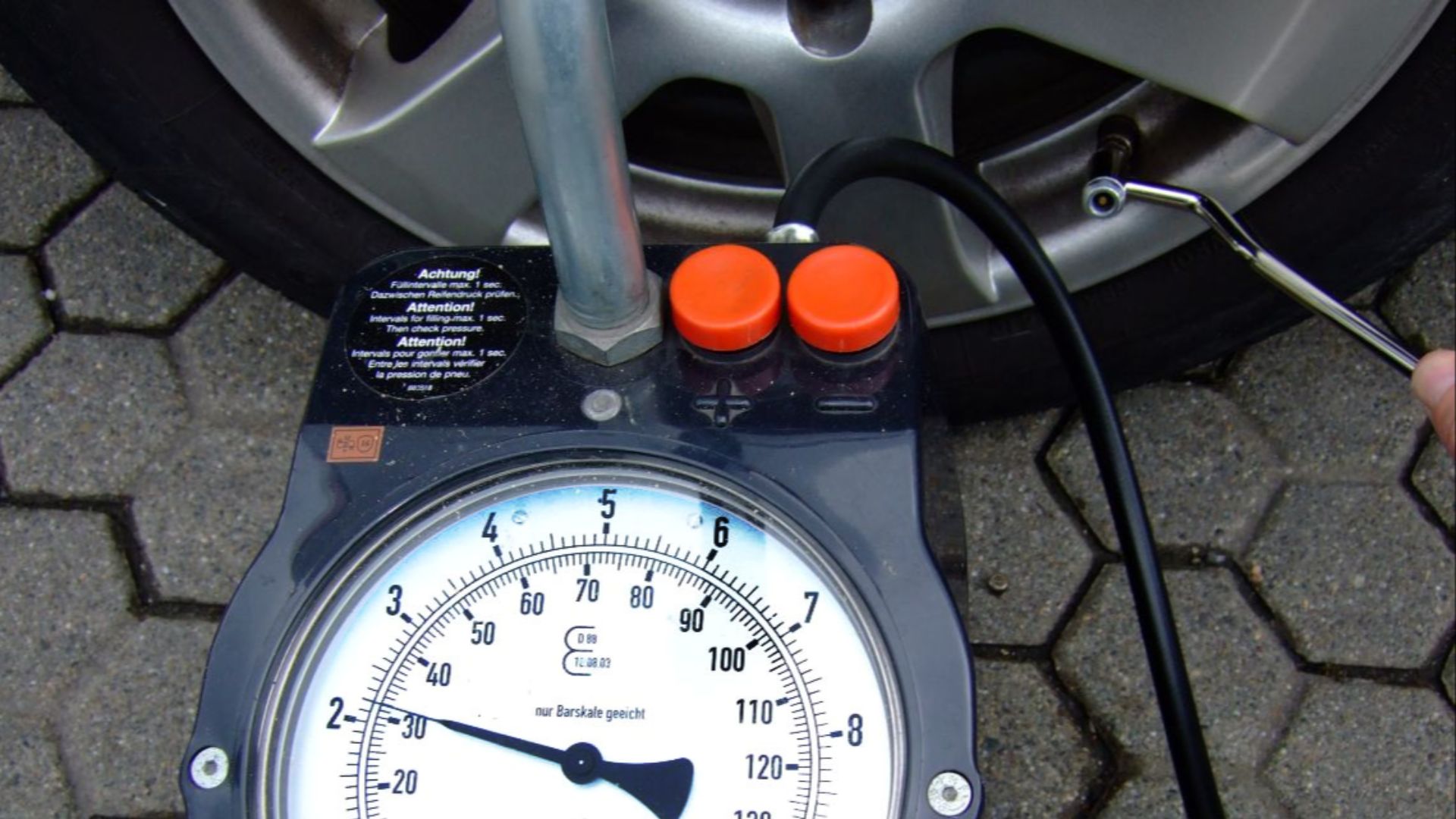
Automakers and tire manufacturers do extensive testing to determine the optimal tire pressure for your vehicle. The recommended level balances grip, comfort, fuel efficiency, and tire longevity. This isn’t just a made up number, and deviating from it can upset that fine balance.
Where To Find The Right Pressure
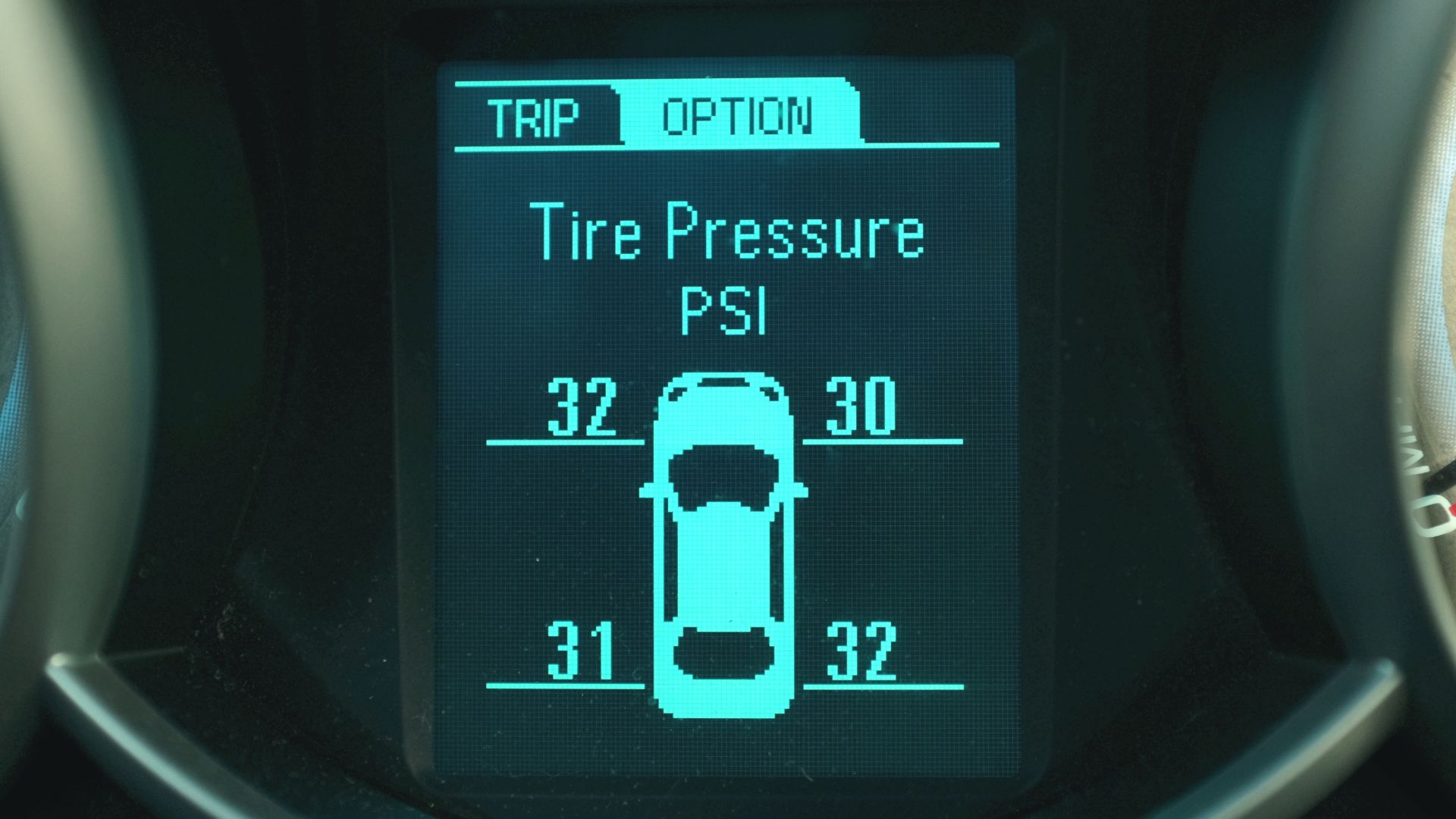
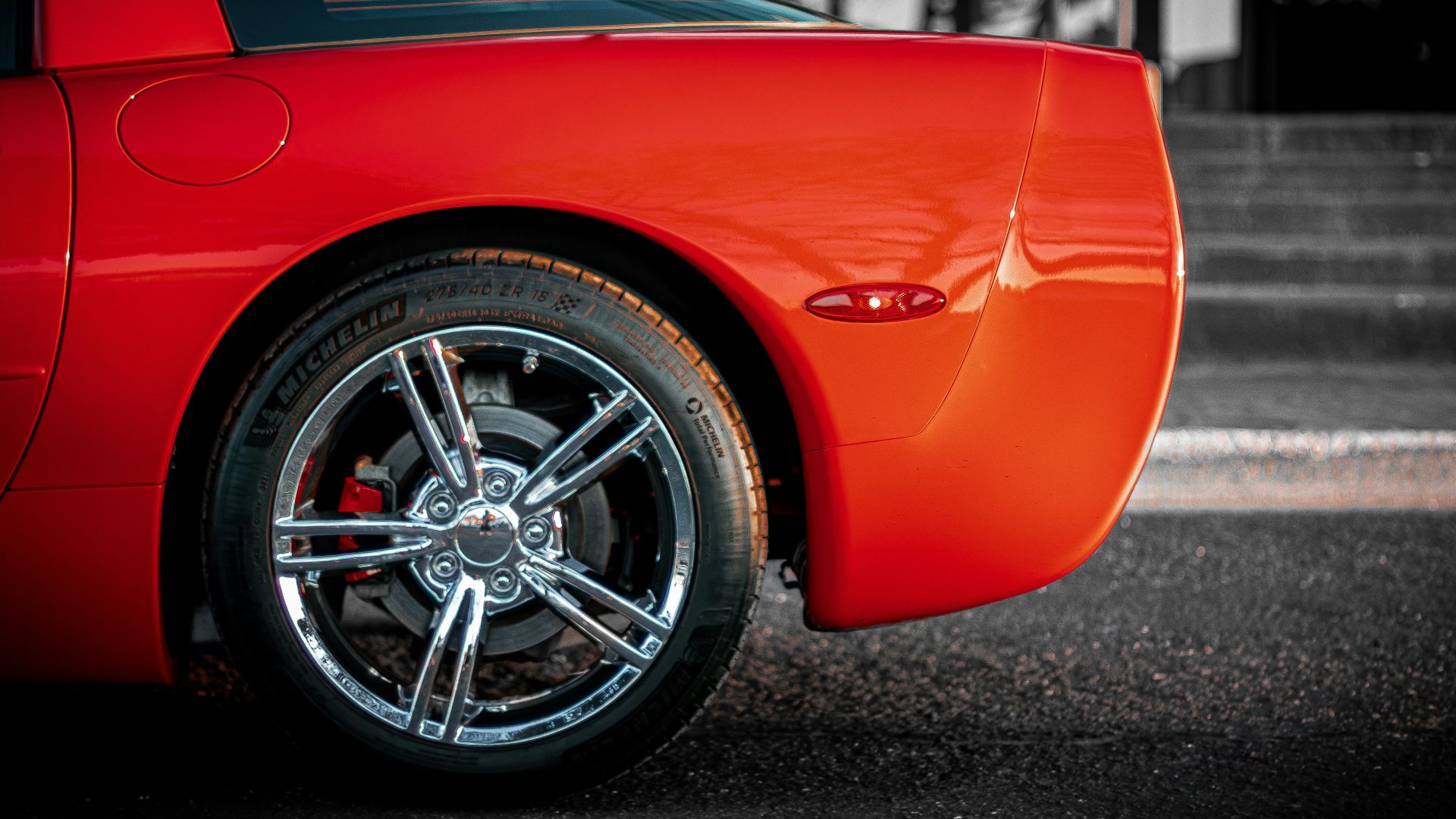
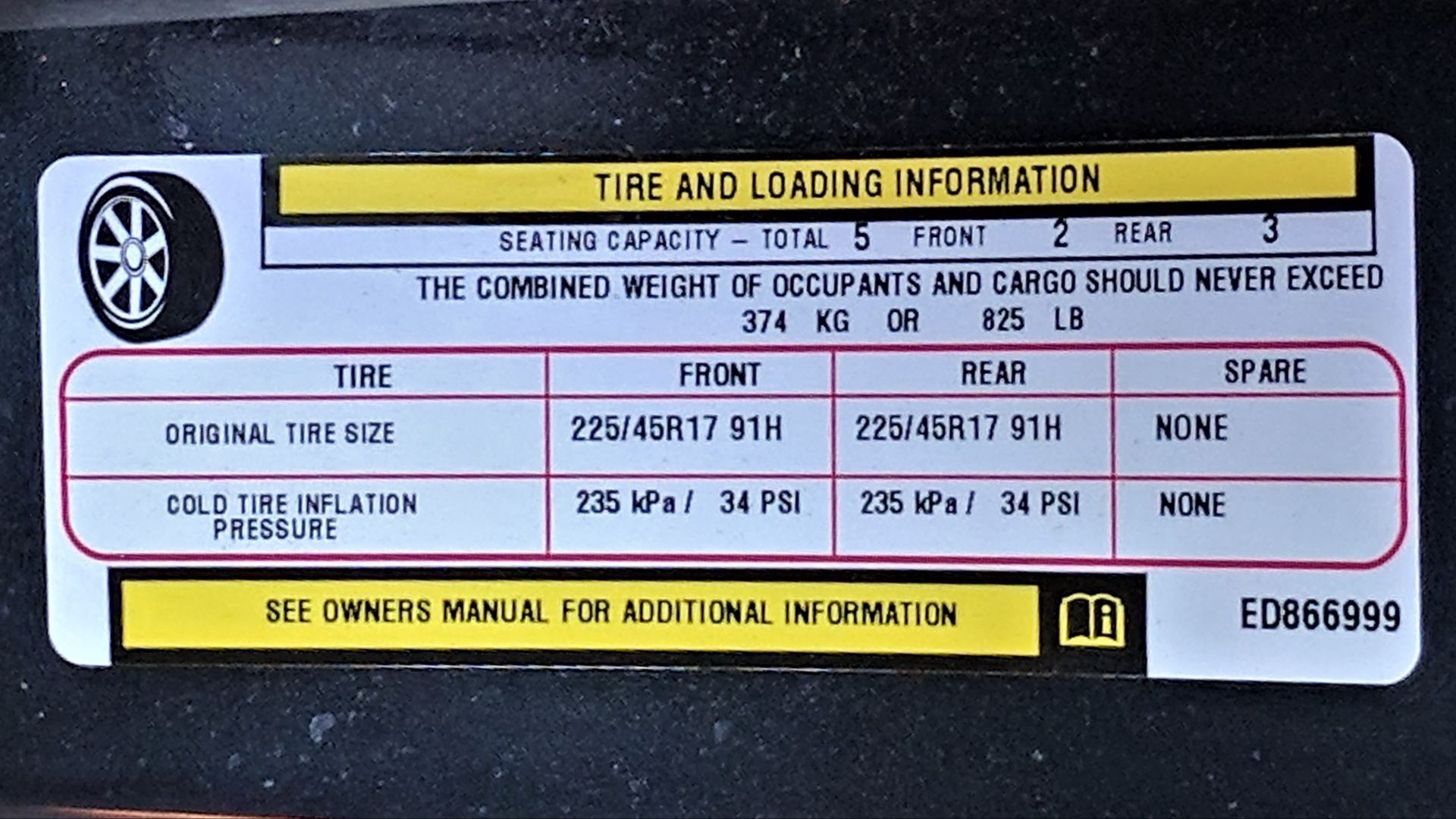
You can usually find the correct tire pressure on a sticker inside the driver’s side door frame or in your owner’s manual. This number states the ideal pressure for your specific vehicle, not the maximum pressure listed on the tire itself.
Seasonal Changes And Tire Pressure
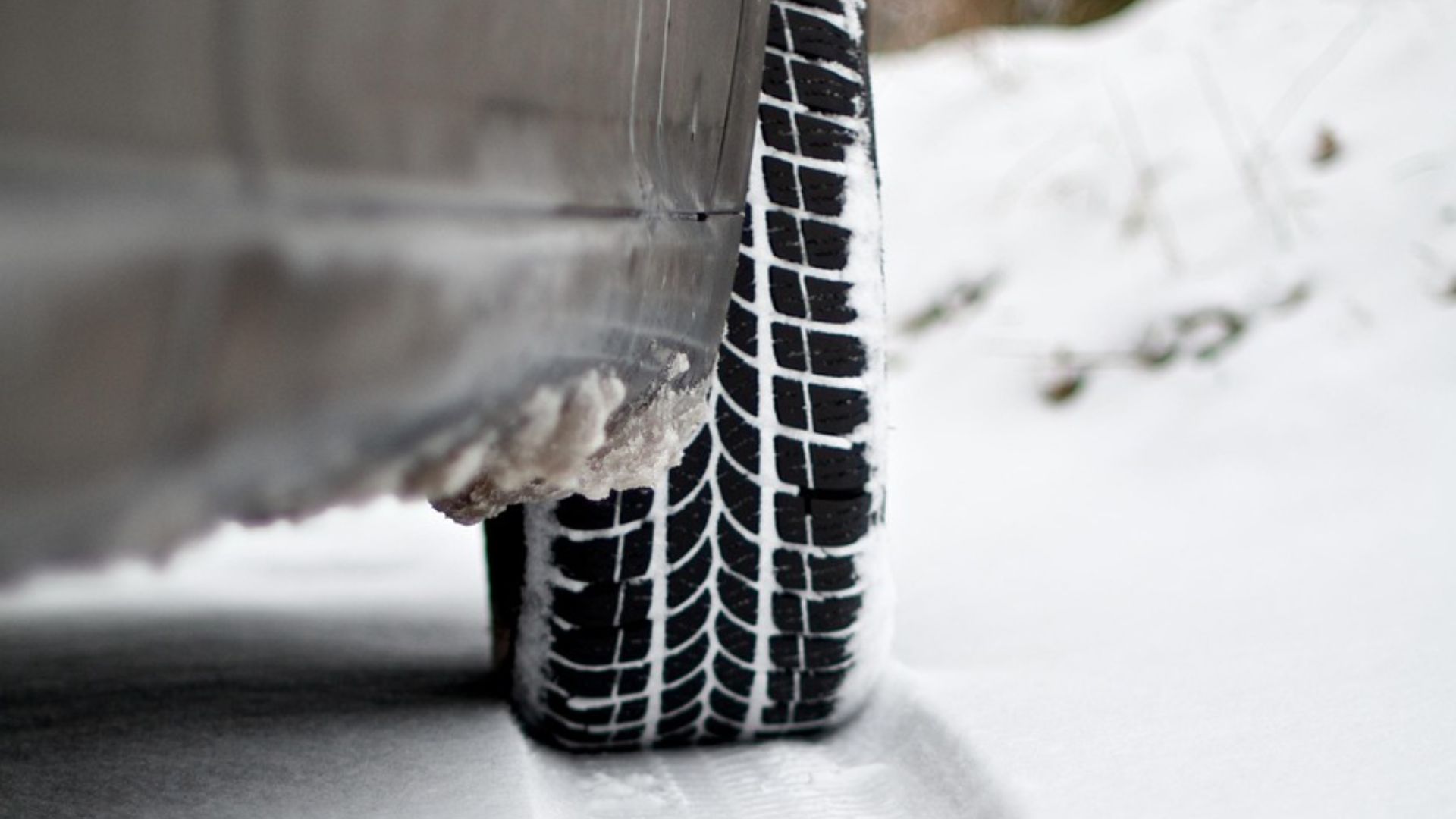
Temperature changes can also affect tire pressure more than you might think. Colder weather causes pressure to drop, while heat increases it. This means you may need to check and adjust your tire pressure more often during seasonal transitions.
When You Might Adjust Pressure Slightly
There are limited cases where adjusting tire pressure is a good idea. For example, if you are carrying a heavy load or preparing for specific driving conditions, it may be smart to make some slight adjustments. However, these changes should follow manufacturer guidelines rather than guesswork.

Myth Of Everyday Under Inflation
The idea that slightly under inflating your tires improves everyday driving grip is largely a myth. Modern tires are designed to provide optimal traction at their specified pressure. Lowering that pressure doesn’t give you any noticeable advantage in normal road conditions.
The Balance Between Grip And Efficiency
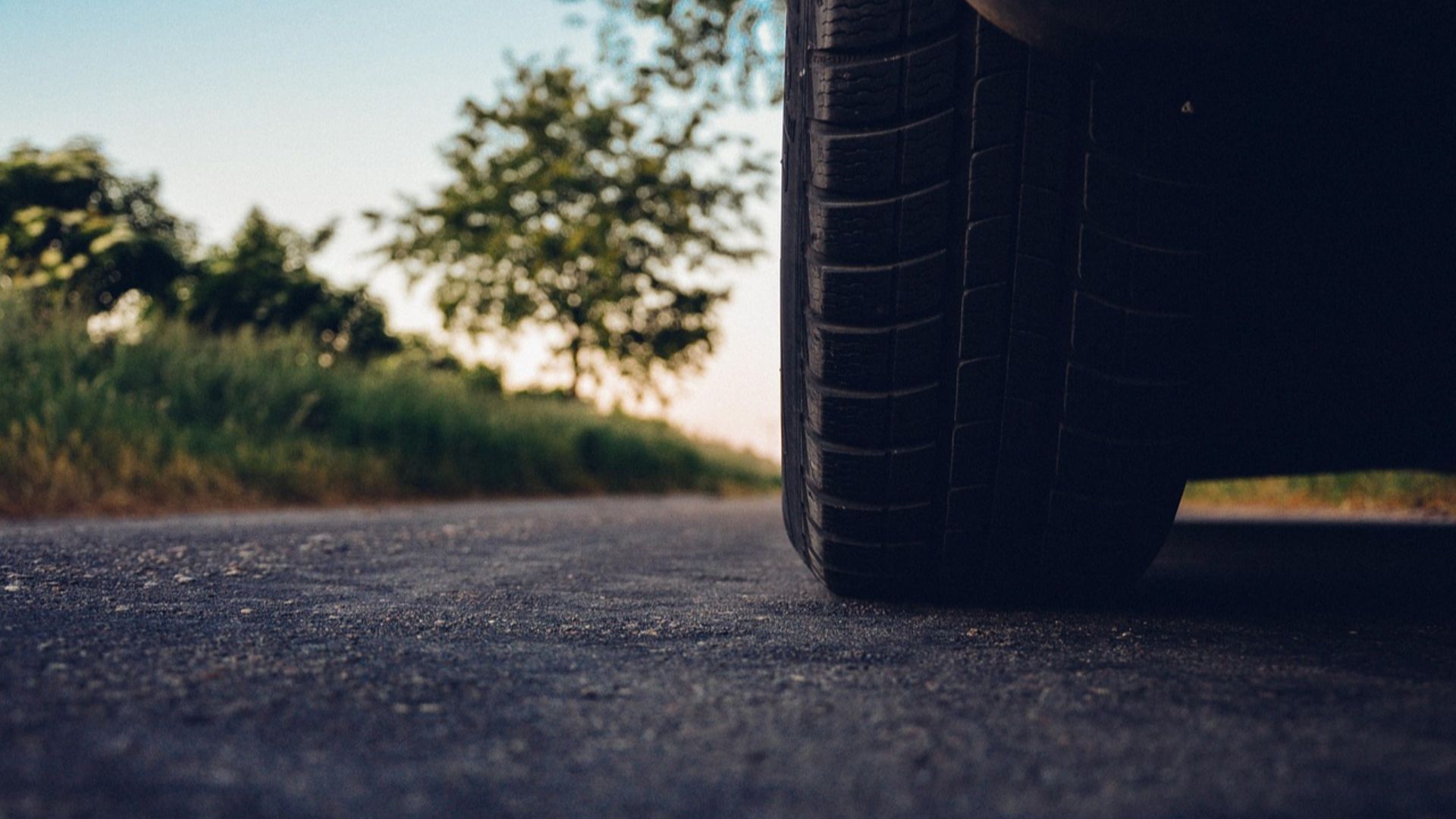
Tire pressure is all about balance. Too low, and you lose efficiency and durability. Too high, and you may sacrifice comfort and even wear the center of the tread faster. The recommended pressure represents the best compromise for most driving scenarios.

Building Good Tire Habits
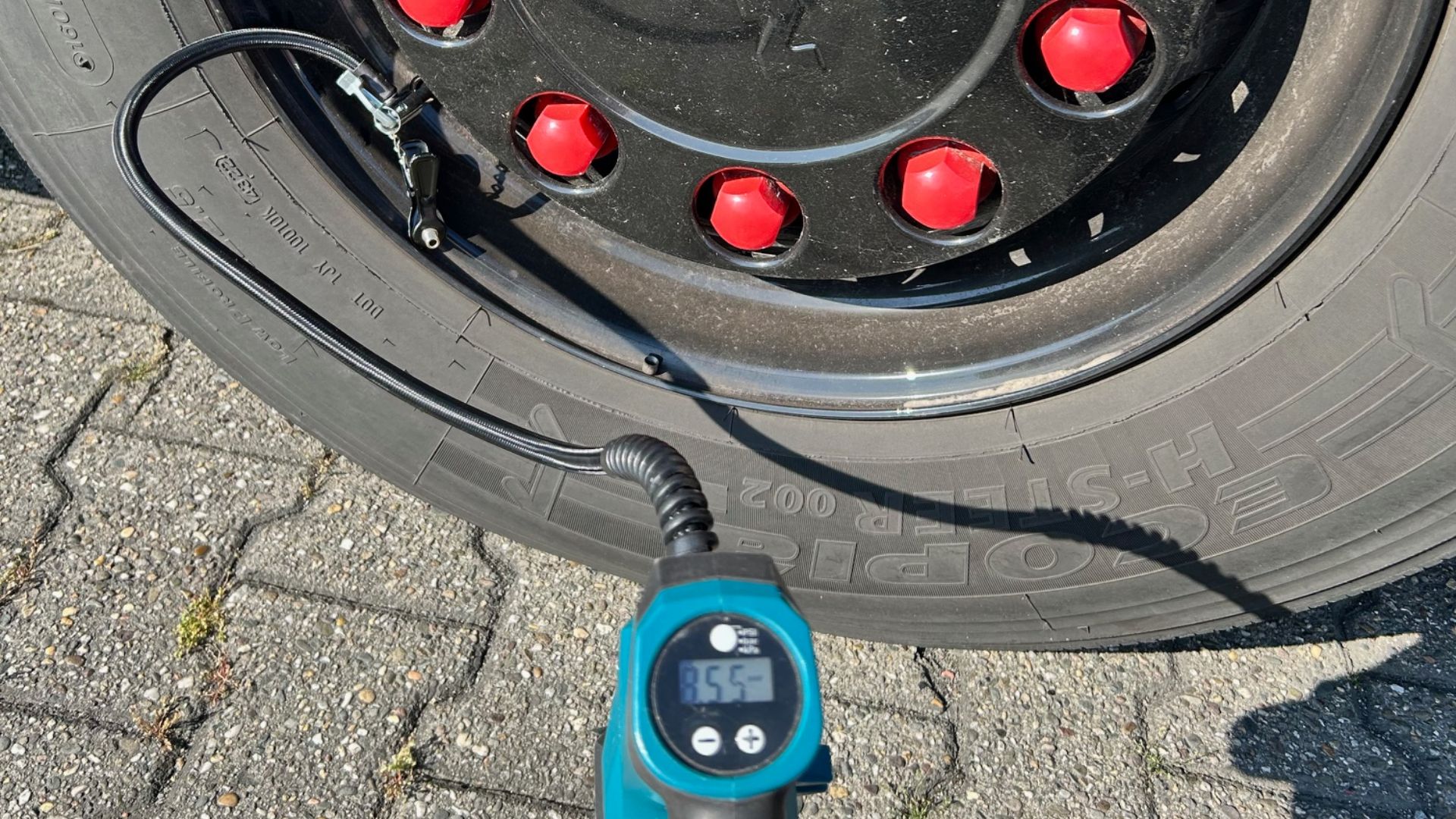
Checking your tire pressure regularly is one of the easiest and most effective ways to maintain your vehicle. It takes only a few minutes but can prevent larger issues down the road. Consistency is key, especially before long trips or during changing weather conditions.
So Who Is Right?
In this debate, your dad has made a much stronger case for everyday driving. While your uncle’s advice applies in niche situations, it doesn’t really hold up for regular road use. Following the recommended tire pressure will keep your car safer, more efficient, and less expensive to maintain.
Bottom Line For Your Tires
If you want the best combination of safety, performance, and cost savings, stick with the manufacturer’s recommended tire pressure. It gives you reliable grip, extends the life of your tires, and improves fuel efficiency. In the long run, that balance is what really matters.

You May Also Like: